
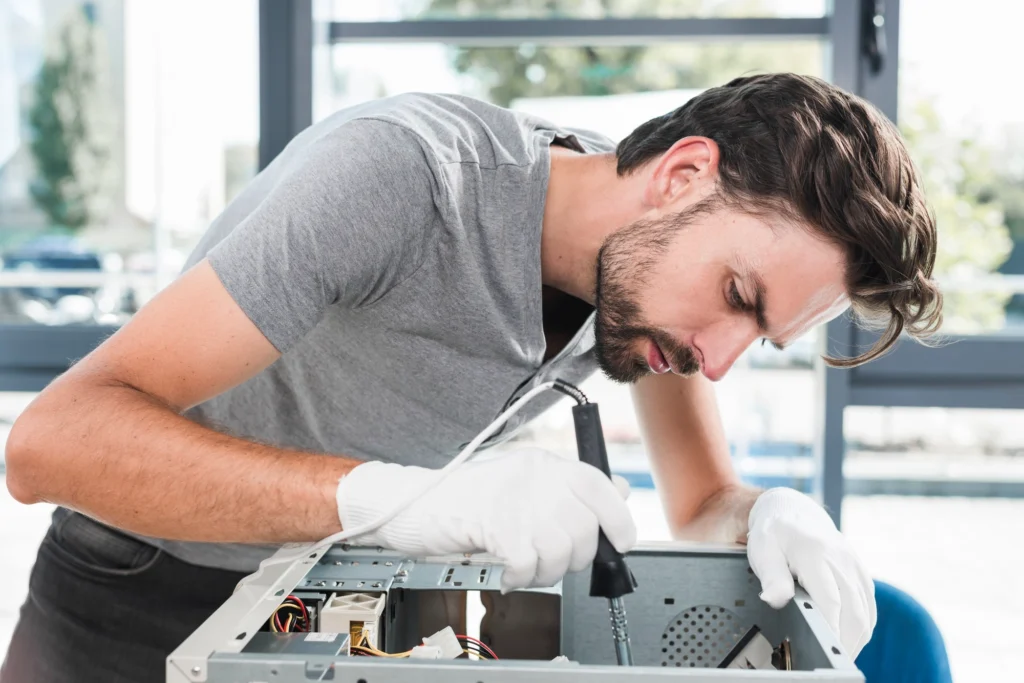
Have you ever found yourself in the middle of an important project, only for your laptop to suddenly slow down, freeze, or even shut down? If so, you’re likely experiencing the all-too-common issue of laptop overheating. In fact, studies show that overheating is one of the top reasons for hardware failure in laptops, leading to frustrating performance problems and even permanent damage.
Laptop overheating is not just a nuisance—it’s a sign that something is wrong and could get worse if not addressed. But don’t worry; in this article, we’ll explore everything you need to know about laptop overheating, including how to spot the signs, why it happens, and, most importantly, how to fix it. By the end, you’ll have the knowledge to prevent overheating and keep your laptop running smoothly for years to come.
What Are the Signs of Laptop Overheating?
When your laptop is overheating, it will usually give off some telltale signs. Recognizing these signs early on can save you from long-term damage and costly repairs. Here’s what to look out for:
1. Performance Slows Down
Overheating causes your laptop’s performance to decrease. If you notice that applications are taking longer to load, or the system is freezing intermittently, this is often a sign that the internal temperature is too high.
Real Example: A marketing manager working remotely noticed that her laptop started lagging heavily when running design software. After a few hours of use, it would suddenly freeze or shut down. Upon further inspection, it was clear that the cooling fan was malfunctioning, leading to excessive heat buildup.
2. Fan Noise Increases
The cooling fan inside your laptop is designed to keep the temperature in check. If the fan begins to run loudly and continuously, it’s usually an indication that it’s working overtime to cool down an overheating system.
Pro Tip: If your fan starts getting noisy, it could be a sign that dust or dirt is obstructing airflow. Cleaning out the fan or replacing it may solve the issue.
3. System Crashes or Shuts Down
An overheating laptop will often automatically shut down to prevent damage to its internal components. If you’ve experienced unexpected shutdowns, especially during intensive tasks like gaming, video editing, or running multiple applications, this could be due to overheating.
Statistical Insight: According to a study from the University of California, improper cooling leads to a 30% reduction in laptop lifespan.
4. Uncomfortably Hot to the Touch
If the exterior of your laptop becomes hot to the touch, particularly around the keyboard and screen areas, the internal components are likely running too hot. This can lead to long-term damage if not addressed quickly.
What Causes Laptop Overheating?
Understanding the causes of laptop overheating is the first step in preventing it. Below are the most common reasons why your laptop may be getting too hot.
1. Blocked Air Vents and Dust Build-Up
Air vents are crucial for cooling your laptop, but they can get clogged with dust and debris over time. When the airflow is blocked, the internal temperature rises, leading to overheating.
Case Study: A startup entrepreneur noticed his laptop was overheating after using it for just a few hours. After cleaning the air vents and removing dust buildup, the overheating problem was resolved.
Pro Tip: Clean your laptop’s vents every few months using a can of compressed air. This simple maintenance can significantly improve cooling efficiency.
2. Malfunctioning or Broken Cooling Fans
The internal fan of your laptop is responsible for expelling hot air. If the fan is malfunctioning or broken, the heat will accumulate inside the system. In this case, you might need a laptop fan repair or a complete fan replacement.
3. Thermal Paste Deterioration
Thermal paste is a substance applied between the processor and the heat sink to help dissipate heat. Over time, thermal paste can dry out and lose its effectiveness, resulting in poor heat transfer and higher internal temperatures.
Real-World Example: A freelance graphic designer found that his laptop would overheat during intensive video rendering. Upon inspection, the thermal paste had worn off, leading to inadequate cooling. After applying fresh thermal paste, the laptop returned to normal temperatures.
Pro Tip: If you’re comfortable with laptop disassembly, consider replacing the thermal paste every 1-2 years for optimal performance.
4. High Processor Load
Running too many applications, especially resource-intensive programs, can overload your laptop’s processor. When the CPU is under heavy load for extended periods, it can overheat. This is especially common for gaming laptops, which run high-end games and applications that require significant processing power.
5. External Environment Factors
Using your laptop on soft surfaces like beds or couches can block airflow, causing overheating. Additionally, if you’re in a hot environment with poor ventilation, your laptop may struggle to regulate its temperature.
How Can I Fix a Laptop That’s Overheating?
Once you’ve identified the cause of your laptop’s overheating, it’s time to take action. Here are the most effective solutions for keeping your laptop cool:
1. Clean the Vents and Fans
Cleaning out the dust from the vents and fans is one of the simplest and most effective ways to prevent overheating. Use compressed air to blow out any dust buildup and ensure that the vents are unobstructed.
Pro Tip: Make sure to clean your laptop in a well-lit area, so you can clearly see any buildup that may be hidden deep inside the vents.
2. Replace the Cooling Fan
If the fan is broken or malfunctioning, it will need to be replaced. Replacing the fan is usually a straightforward process that you can do yourself with the right tools and guidance. If you’re not comfortable with disassembling your laptop, consider seeking professional laptop fan repair.
3. Apply Fresh Thermal Paste
If the thermal paste has dried out, it can significantly reduce the heat dissipation capabilities of your laptop. Replacing the thermal paste is a more advanced task that involves removing the CPU heatsink, cleaning off the old paste, and applying a fresh layer. If you’re unsure about this process, it’s best to have a professional handle it.
Pro Tip: Use high-quality thermal paste such as Arctic MX-4 or Noctua NT-H1 for optimal results.
4. Reduce System Load
If your laptop is overheating due to excessive load, try closing unnecessary applications and programs. Using task manager (Ctrl + Shift + Esc) on Windows or Activity Monitor on Mac can help you identify which applications are consuming the most resources.
5. Use a Cooling Pad
Cooling pads are external accessories that help increase airflow around your laptop. These pads typically feature additional fans to help keep the laptop cool during intensive tasks.
6. Optimize Power Settings
Both Windows and macOS offer power-saving modes that can help reduce the strain on your laptop’s CPU and prevent overheating. Lowering the CPU’s clock speed or reducing screen brightness can help lower the temperature.
Conclusion
Laptop overheating is a common problem, but it’s one that can be easily managed with the right approach. By understanding the signs, causes, and solutions, you can keep your laptop cool and performing at its best. Remember to clean your vents regularly, check the health of your cooling fan, and replace thermal paste when needed. With these steps, your laptop will be able to handle even the most demanding tasks without overheating.
If you’re still experiencing overheating issues despite these solutions, it might be time to seek professional help. Keep your laptop well-maintained, and it will reward you with years of reliable performance.
FAQ Section
1. How do I know if my laptop is overheating?
You’ll notice signs like a slow-down in performance, noisy fans, system crashes, or excessive heat on the laptop’s surface.
2. Can I fix laptop overheating myself?
Yes! Many solutions, like cleaning the fans and replacing thermal paste, can be done at home. However, if you’re not comfortable, it’s best to consult a professional.
3. Why is my laptop overheating even after cleaning?
If your laptop is still overheating after cleaning, the issue could be a malfunctioning fan, expired thermal paste, or an overloaded CPU. You may need to replace the fan or reapply thermal paste.
4. Does a cooling pad really help with overheating?
Yes, a cooling pad can help by improving airflow around your laptop, especially during intensive tasks like gaming or video editing.
5. Can overheating damage my laptop permanently?
Yes, prolonged overheating can damage the internal components, such as the CPU or GPU, leading to hardware failure.
6. How often should I replace the thermal paste?
It’s recommended to replace the thermal paste every 1-2 years to ensure optimal heat dissipation.