You’re not alone—this is a common issue that causes frustration for millions of users. But what’s the real culprit: is it a virus, or is it a hardware problem? Navigating the maze of potential issues can be confusing, especially if you don’t have a tech background.
In this guide, we’ll help you determine whether your laptop is dealing with a virus or a hardware failure, and provide actionable steps to fix the problem. By the end, you’ll not only understand the symptoms of malware and hardware issues but also know exactly how to troubleshoot and solve the problem on your own.
What Are the Common Symptoms of a Laptop Virus?
When your laptop starts acting up, the first thing you might suspect is a virus. But how can you tell if that’s truly the case?
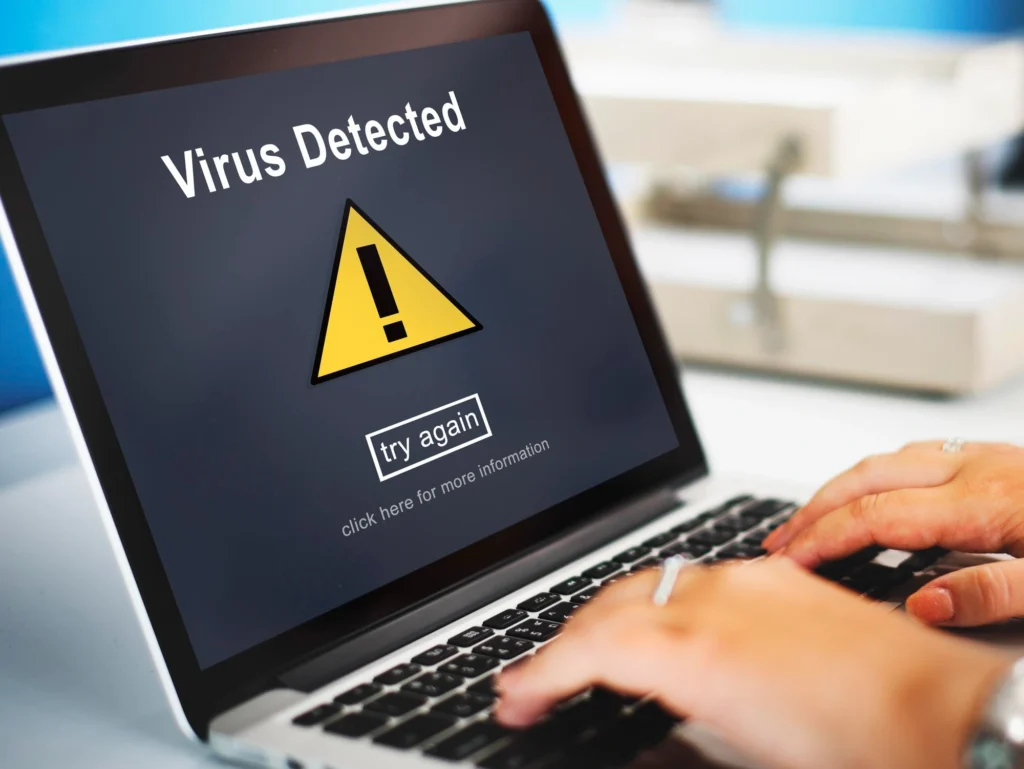
A laptop virus or malware can cause your device to behave erratically. Typical signs of infection include:
- Sluggish performance: Your laptop might freeze or take a long time to open files or load programs. Malware consumes a lot of system resources, leading to noticeable slowdowns.
- Pop-up ads: Unwanted pop-ups or redirects to suspicious websites are a big red flag.
- Unexplained file changes: If files mysteriously disappear or become corrupted, it’s time to investigate for malware.
- Crashes or freezes: A virus can cause random crashes, system freezes, or frequent error messages.
- Unusual behavior: You might notice unfamiliar icons, changes in your desktop, or strange programs appearing in your task manager.
Real-World Example:
Sarah, a small business owner, noticed that her laptop was running unusually slow and started displaying pop-ups. After scanning her laptop with an antivirus program, she discovered malware had hijacked her browser and was slowing down her system.
Pro Tip: Always run a reputable antivirus or anti-malware scan to catch viruses early. Some popular options are Malwarebytes, Bitdefender, and Kaspersky.
How Do You Identify Signs of Hardware Failure?
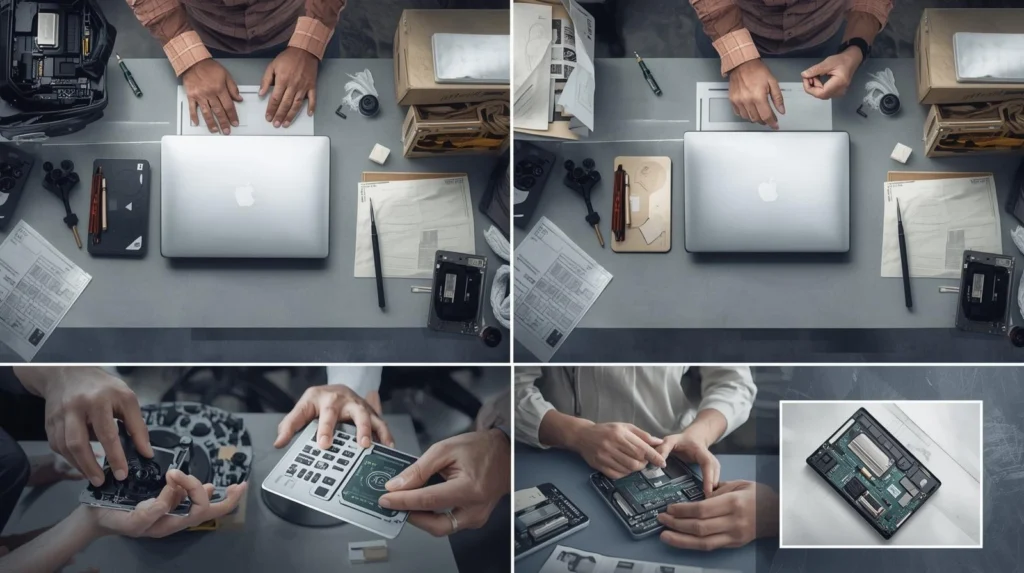
While viruses can cause slowdowns and crashes, hardware issues often have distinct symptoms. These problems typically stem from physical components inside your laptop, such as the hard drive, memory, or motherboard.
Here’s how to spot hardware failure signs:
- Unusual noises: Clicking or grinding sounds, especially from the hard drive, are indicative of a failing drive.
- Frequent crashes or blue screens: Blue Screen of Death (BSOD) errors, especially after booting, often point to hardware failures.
- Overheating: If your laptop overheats quickly, it could indicate a cooling system problem or a failing fan.
- Screen issues: Flickering, dead pixels, or black screens can be signs of a display or graphics card issue.
- Battery problems: If your laptop dies quickly or won’t hold a charge, the battery or charging port may be defective.
Real-World Example:
John, a marketing manager, experienced frequent system crashes and noticed his laptop was running excessively hot. After running diagnostic tests, he found that his laptop’s hard drive was failing and needed to be replaced.
Pro Tip: If your laptop is overheating, clean the fans and vents regularly to prevent dust buildup. If the problem persists, a hardware diagnostic tool can help pinpoint the failing component.
Can a Laptop Virus Cause Hardware-Like Symptoms?
Interestingly, a laptop virus can mimic hardware failure symptoms. Malware can alter your system’s settings and consume resources in such a way that it looks like a hardware issue, even though the root cause is software-based. Here are a few scenarios where malware may cause these hardware-like symptoms:
- Overloading system resources: If malware consumes too many CPU or memory resources, your laptop might overheat, causing performance slowdowns and crashes similar to a hardware failure.
- Fake hardware errors: Some viruses will deliberately trigger fake hardware error messages to make it seem like your laptop’s hardware is faulty.
Real-World Example:
Jessica, a startup entrepreneur, was frustrated when her laptop started showing the blue screen error. After extensive troubleshooting, she discovered that the error was caused by a virus that was interfering with her system files and mimicking hardware failures.
Pro Tip: If you notice hardware-like symptoms but haven’t ruled out malware, run a full system scan before diving into hardware diagnostics.
How Can You Diagnose If It’s a Virus or Hardware Issue?
Now that you know the common symptoms of both, how do you pinpoint the actual cause of the problem? Diagnosing whether the issue is related to malware or hardware requires a systematic approach.
- Run Antivirus or Anti-Malware Scan: Start by scanning your laptop with a reputable antivirus program. If malware is detected, remove it and see if the problem persists. If the issue disappears after a scan, then you’ve solved the problem.
- Perform Hardware Diagnostics: Many laptops come with built-in diagnostic tools that can help check the health of your hardware. Use these tools to check for any problems with your hard drive, memory, or other components.
- Check Resource Usage: Open Task Manager (Windows) or Activity Monitor (Mac) to see if any processes are using excessive CPU or memory. High resource usage might suggest a malware infection.
- Observe Behavior After Restart: If the issue persists after restarting, it could be a hardware problem. If the problem temporarily resolves, it might be malware-related.
- Check for Error Messages: Specific error codes or messages can sometimes point to hardware failures, such as hard drive failure codes or RAM errors.
Real-World Example:
Mike, a freelance designer, followed this diagnostic process and discovered that his laptop was running slow due to a malicious browser extension (virus), not a hardware failure as he had initially feared.
Pro Tip: If you’re not tech-savvy, seeking help from an IT professional can save time and money. They can diagnose the issue more quickly and accurately.
What Are the Best Tools for Diagnosing and Fixing Laptop Issues?
Having the right tools at your disposal can make diagnosing and fixing laptop issues much easier. Here are some of the best tools for both malware and hardware problems:
- For Malware Detection: Malwarebytes, Norton, Kaspersky, Bitdefender
- For Hardware Diagnostics:
- Windows: Use built-in tools like Windows Memory Diagnostic and CHKDSK for hard drive health.
- Mac: Apple Hardware Test (AHT) or Apple Diagnostics can help identify hardware issues.
- For System Monitoring: Task Manager (Windows) or Activity Monitor (Mac) to track resource usage.
Real-World Example:
Laura, a project manager, ran Windows Memory Diagnostic after noticing frequent crashes. The tool found issues with her laptop’s RAM, which needed to be replaced to restore functionality.
How Can You Prevent Laptop Viruses and Hardware Failures?
While it’s impossible to guarantee your laptop won’t encounter problems, you can take proactive measures to prevent both viruses and hardware failures.
- Regular Software Updates: Always keep your operating system and antivirus software up to date to patch any security vulnerabilities.
- Run Routine Malware Scans: Set up automatic scans with a reliable antivirus tool to catch viruses early.
- Back-Up Your Data: Regular backups can save you from losing important files if a hardware failure occurs.
- Physical Care: Clean your laptop’s vents and fans periodically to prevent overheating. Use a cooling pad if necessary.
- Avoid Suspicious Links: Be cautious of phishing emails or clicking on links from unknown sources to reduce the risk of malware infections.
Conclusion
In summary, diagnosing whether your laptop’s issues are caused by a virus or hardware failure requires a systematic approach. Start by running malware scans, then move on to hardware diagnostics if the problem persists. By understanding the signs and using the right tools, you can save time and money while fixing your laptop. And remember—taking preventive measures is key to avoiding future issues.
If you’re still unsure about the problem, don’t hesitate to consult a professional. Fixing your laptop swiftly can keep your productivity on track.
FAQ Section
1. How can I tell if my laptop has a virus?
Look for symptoms like slow performance, frequent crashes, pop-ups, or strange behavior. Run an antivirus scan to check for malware.
2. What are the most common hardware failures in laptops?
Common hardware issues include failing hard drives, overheating, RAM errors, and faulty batteries or chargers.
3. Can a virus cause my laptop to overheat?
Yes, some viruses can overload system resources, causing your laptop to overheat. Check for high CPU usage in Task Manager or Activity Monitor.
4. How can I run a hardware diagnostic on my laptop?
Most laptops come with built-in diagnostic tools. For Windows, try Windows Memory Diagnostic or CHKDSK. For Macs, use Apple Diagnostics.
5. My laptop keeps crashing—should I worry about hardware failure?
Crashing could be due to either a virus or hardware failure. Start by scanning for malware. If the problem persists, run hardware diagnostics.
6. How do I prevent future laptop problems?
Keep your system updated, run regular antivirus scans, back up your data, and clean your laptop to avoid overheating.
7. Can I fix my laptop’s hardware problems myself?
While some simple fixes like replacing RAM or a hard drive can be done yourself, it’s best to consult a professional for complex issues.