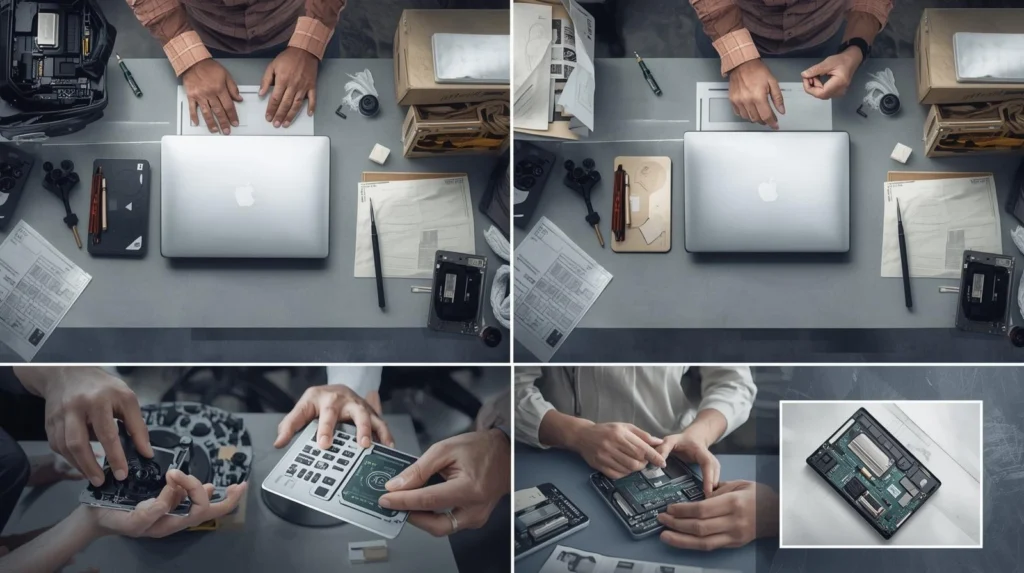

Have you ever experienced the panic of losing important files after your laptop suddenly crashes? Whether it’s your work project, irreplaceable family photos, or vital business data, losing your files due to a system failure is both stressful and frustrating.
A 2024 survey by Backblaze revealed that over 30% of individuals experience some form of data loss each year. While the situation can feel dire, there’s hope. The good news is, you can recover most, if not all, of your data with the right approach.
In this guide, we’ll walk you through the essential steps you need to take after a system crash, what to do to avoid further damage, and how to successfully recover your files. Whether you’re dealing with a hard drive failure, software corruption, or a complete system crash, you’ll gain the knowledge you need to protect your data and restore what you thought was lost.
What Causes a Laptop to Crash and How Does It Affect Your Data?
Common Causes of Laptop Crashes
Laptop crashes can occur for various reasons, but the most common causes include:
- Hardware failure: A malfunctioning hard drive or memory (RAM) issues can cause the system to crash unexpectedly. Hard drive failures are among the most significant threats to your data.
- Corrupted software: Operating system crashes or faulty software installations can render your system inoperable.
- Overheating: If your laptop overheats due to blocked vents or damaged cooling systems, it can lead to sudden shutdowns and possible data corruption.
- Malware or viruses: Ransomware or other types of malware may encrypt or damage your files, making them inaccessible.
Impact on Your Data
When a laptop crashes, especially if the cause is related to hard drive failure or software corruption, your data may become inaccessible or, in severe cases, irretrievable. While data recovery is possible in most cases, the longer you wait to attempt recovery, the higher the chance of permanent loss due to overwriting files.
How Do You Start Laptop Data Recovery?
First Steps: Don’t Panic—And Don’t Make Things Worse
When your laptop crashes, your immediate reaction may be to turn it off or try restarting it, but these actions could make things worse, especially if your hard drive is failing.
Here’s what you should do first:
- Stop using your laptop: The sooner you stop writing new data to your hard drive, the better. New data can overwrite the files you’re trying to recover.
- Check if the laptop is still under warranty: If your laptop is under warranty, contact the manufacturer for a potential replacement or repair.
- Inspect for external signs of damage: Before doing anything further, check if your laptop has physical damage, such as a broken screen, overheating, or excessive heat.
Pro Tip: Use the “Safe Mode” Trick
If the crash was related to a software issue, starting your laptop in Safe Mode might allow you to access your files. Safe Mode minimizes the operating system’s functions, making it easier to troubleshoot and recover files.
Should You Attempt DIY Data Recovery or Hire a Professional?
DIY Data Recovery: The Pros and Cons
If you feel comfortable with technology, DIY recovery might seem like an appealing option. There are many data recovery software programs available that can help you recover lost files from a crashed laptop.
Pro Tips:
- Use trusted software: Popular tools like Recuva or EaseUS Data Recovery Wizard are highly recommended for users trying DIY recovery.
- Perform a quick scan first: Many tools offer a “quick scan” that searches for files that may still be accessible.
Pros of DIY:
- Cost-effective: Most recovery software is inexpensive or free to use.
- Immediate access: You don’t need to wait for a professional service.
Cons of DIY:
- Limited success: If the crash was caused by hardware failure, software won’t help.
- Risk of further damage: Running incorrect recovery procedures could make your files unrecoverable.
When to Hire a Professional
If your laptop’s hard drive has suffered physical damage or your DIY efforts are unsuccessful, it’s time to call in the pros. Professional data recovery services have specialized tools that can recover data from damaged drives, even when the system is beyond basic repair.
Real-World Example:
A business owner once tried to recover data using software after a hard drive crash. Unfortunately, his drive had suffered physical damage from overheating, and his DIY attempts resulted in permanent data loss. He then turned to a professional recovery service, which managed to restore 95% of the lost files.
How Does Hard Drive Recovery Work?
Understanding Hard Drive Failures
Hard drives are mechanical devices with moving parts, making them vulnerable to physical failure. The most common issues include:
- Read/write head failure: When the read/write head makes contact with the disk platter, it can lead to severe data loss.
- Motor failure: The motor that spins the disk can malfunction, rendering the drive unreadable.
- Firmware corruption: Corrupted firmware can prevent the hard drive from working entirely, making data recovery more difficult.
Hard Drive Recovery Techniques
- Cloning the drive: If the hard drive is still partially functional, experts often create a clone of the drive to prevent further damage.
- Data extraction from damaged drives: In cases of physical failure, professionals use cleanroom environments to recover data from physically damaged drives.
- Logical recovery: If the issue is related to file corruption or deleted data, recovery software can often retrieve files from the drive’s sectors.
What Are the Best Data Recovery Tools for Laptops?
Top DIY Data Recovery Software
- Recuva: A user-friendly tool for recovering lost files from damaged or formatted hard drives.
- EaseUS Data Recovery Wizard: A versatile tool that can recover a wide variety of file types, including photos, videos, and documents.
- Disk Drill: A comprehensive solution for both beginners and experts, providing options for advanced file recovery.
Pro Tip: Free vs. Paid Recovery Software
Many free data recovery programs come with limitations (such as a cap on the amount of data you can recover). For more substantial data recovery needs, investing in a paid solution might be worth the cost.
How Can You Prevent Future Data Loss on Your Laptop?
Backup Your Data Regularly
The most effective way to avoid data loss in the future is by setting up a reliable backup system. Utilize both cloud storage and external drives to back up your files regularly. Services like Google Drive, Dropbox, or OneDrive can ensure your files are safe in case of another crash.
Use Disk Monitoring Tools
There are software tools available that monitor the health of your hard drive and alert you to potential issues before they become catastrophic. Programs like CrystalDiskInfo provide real-time health data, helping you catch problems early.
Pro Tip: Enable Automatic Backups
Set up automatic backups so you don’t have to worry about manually backing up your files. Most cloud services and external drives offer this feature.
Conclusion
Experiencing a laptop crash can be a nightmare, especially when crucial data is involved. However, with the right approach, most data can be recovered. By acting quickly, choosing the appropriate recovery method, and using professional tools when necessary, you can increase your chances of a successful recovery.
Remember to always back up your data regularly to minimize the risks in the future. And if you find yourself overwhelmed by the situation, don’t hesitate to consult a professional service.
Take Action Now:
- Start implementing regular backups.
- If you’ve lost data, try DIY recovery software first.
- If that doesn’t work, contact a data recovery professional immediately.
FAQ Section
1. Can I recover data from a laptop that won’t boot?
Yes, you can often recover data from a laptop that won’t boot by connecting the hard drive to another computer or using data recovery software.
2. How long does data recovery take?
The time required for data recovery depends on the severity of the crash and the type of recovery needed. It can take anywhere from a few hours to several days.
3. Is professional data recovery worth the cost?
If the data is crucial and DIY methods haven’t worked, professional recovery services are worth the investment, especially if there’s physical damage to the hard drive.
4. What is the best way to prevent laptop crashes?
Regular maintenance, such as keeping the system updated, monitoring disk health, and avoiding overheating, can prevent many crashes.
5. Can I recover data from a dead hard drive?
If the hard drive is physically damaged, recovery is more complicated but still possible with professional tools and cleanroom environments.
6. Does using recovery software guarantee success?
No, success depends on the nature of the crash. If the issue is a hardware failure, recovery software may not help.
7. How can I avoid losing data in the future?
Use cloud services for backup and consider setting up automatic backups to protect your data in case of another crash.