Have you ever found yourself staring at your laptop, frustrated and confused as it stubbornly refuses to turn on? Whether you’re in the middle of an important project or simply trying to finish your day’s tasks, a dead laptop can feel like a nightmare. You’re not alone—millions of people face this issue every year. According to a recent survey by Statista, 30% of laptop users experience power-related issues at least once during the lifespan of their device.
But don’t panic just yet. In this guide, we’ll walk you through the common causes of a laptop not turning on, provide troubleshooting steps to fix it, and explain when it’s time to call in a professional. If you’ve ever had to deal with a dead laptop, you’ll want to read on to save time, money, and frustration.
By the end of this post, you’ll have the tools and knowledge to handle most power-related laptop issues with confidence, and know when it’s time to seek expert help. Let’s dive in!
Why Is My Laptop Not Turning On?
1. Could It Be a Power Issue?
One of the most common reasons a laptop won’t turn on is a power issue. You may have noticed that the laptop’s power light is off, or the screen remains black despite pressing the power button.
Pro Tip: The power cable and battery are often the first culprits. If your battery is completely drained, your laptop won’t boot up, even if it’s plugged into the charger. Additionally, faulty charging cables or a damaged power port can prevent your laptop from receiving power.
How to fix it:
- Check the Charger and Cable: Ensure the charger is plugged into a working outlet. Try using a different power cable or charger if you have one available.
- Remove the Battery (if possible): If your laptop has a removable battery, take it out and press the power button for 30 seconds to drain any residual power. Then, plug it back in and try turning on the laptop again.
- Test the Power Port: Inspect the power port for any visible damage. A loose or broken connection might be the reason your laptop won’t charge or turn on.
Real Example: A business owner, Sarah, was stuck in a meeting and couldn’t turn on her laptop to present her slides. After checking the power cable and ensuring it was properly connected, she realized the outlet was faulty. Once she plugged the charger into a different socket, the laptop powered up instantly.
2. Is the Battery Dead?
If your laptop’s battery is completely depleted, it won’t turn on, even if it’s plugged in. Most modern laptops have a built-in protection system that prevents powering on with a dead battery.
Pro Tip: Some laptops have a battery indicator light or a special LED that shows the battery’s charging status. If the light is amber or off, it might be time for a replacement.
How to fix it:
- Plug it in for 10-15 minutes: If the battery is completely drained, leave the laptop plugged in for a while before trying to power it on again.
- Replace the Battery: If the battery no longer holds a charge, it’s time for a replacement. Check the manufacturer’s guidelines on how to do this properly.
Real Example: Mark, a freelance writer, found his laptop not turning on after a long writing session. The battery had been running low, and he hadn’t noticed. After charging the laptop for 20 minutes, it powered up without any issues.
3. Could It Be a Software or Firmware Issue?
Sometimes, the reason your laptop won’t turn on isn’t hardware-related, but software-related. Corrupted system files or a failed operating system update can cause the laptop to freeze on startup, leaving you with a black screen.
Pro Tip: If your laptop turns on but only reaches a blank or frozen screen, there’s a chance a recent update or software glitch is to blame.
How to fix it:
- Perform a Hard Reset: Try a hard reset by holding the power button for 10-15 seconds. This forces the system to shut down completely and can sometimes resolve minor software issues.
- Boot into Safe Mode: If your laptop shows the boot screen but gets stuck, try starting in Safe Mode. To do this, restart your laptop and repeatedly press the F8 or Shift+F8 key (depending on your model) to access the recovery menu.
- Restore System Files: If you can access the recovery mode, you can restore your system to an earlier point before the issue occurred.
Real Example: Jessica, a marketing manager, experienced the infamous “black screen of death” after a system update on her work laptop. She used the safe mode option to restore her laptop to the previous system state, which resolved the issue.
4. Could There Be an Internal Hardware Issue?
If none of the previous solutions work, the issue may lie within the laptop’s internal hardware, such as the motherboard, graphics card, or RAM.
Pro Tip: An electrical short, a malfunctioning component, or a loose connection can prevent the laptop from powering up. Sometimes, the laptop won’t even make a sound or attempt to turn on.
How to fix it:
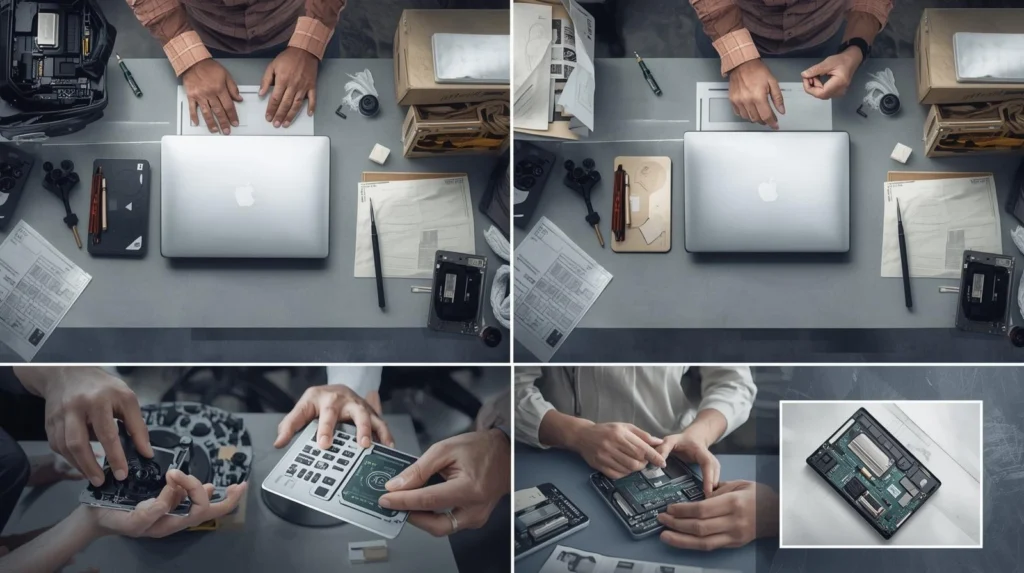
- Reseat the RAM: If you’re comfortable opening up your laptop, try reseating the RAM. A loose or improperly connected RAM stick can cause a failure to boot.
- Check for Overheating: If your laptop has been overheating, it may have caused internal damage. In this case, addressing the overheating issues might fix the power problem.
Real Example: Ben, a software developer, encountered a laptop that wouldn’t turn on after he spilled water on it. The internal components short-circuited, and only after replacing the motherboard was the laptop able to turn on again.
5. Is It a Power Supply Failure?
If your laptop turns on only intermittently, the issue may lie with the power supply unit (PSU) or the AC adapter. These components regulate the power flow to the laptop and ensure stable operation.
Pro Tip: Some laptops are known to have specific power supply issues related to their charging circuit. If the laptop powers up for a few seconds and then shuts down, a faulty PSU may be to blame.
How to fix it:
- Test with Another Power Supply: If possible, try using a different power supply or AC adapter to see if the laptop powers on. This is particularly effective if you have access to a compatible charger.
- Replace the Power Supply: If the power supply is indeed the problem, it will need to be replaced to restore proper function.
6. Is There a Problem with Your Laptop’s Display?
If your laptop is powering on but the screen stays black, it could be a display issue. This is often a more technical problem but still something you can diagnose yourself.
Pro Tip: Sometimes, the laptop is actually turning on, but the display has failed or is malfunctioning.
How to fix it:
- Connect to an External Monitor: If you have an external monitor, connect your laptop to it. If the external monitor works, the issue is likely with your laptop’s screen or graphics card.
- Check for Physical Damage: Inspect the screen for visible cracks or damage, which might indicate a need for repair or replacement.
Real Example: Priya, a project manager, noticed her laptop’s screen stayed black even though the power indicator light was on. By connecting it to a monitor, she confirmed that her screen had failed, and she arranged for a screen replacement.
When Should I Seek Professional Help?
While there are several troubleshooting steps you can try, some issues might require professional attention. If you’ve gone through all the above steps and your laptop still won’t turn on, it may be time to reach out to an expert.
When to Seek Help:
- Hardware Damage: If your laptop shows signs of physical damage, like a cracked screen or damaged motherboard, professional repair is often the best course of action.
- Complex Internal Issues: If you’re not comfortable opening up your laptop to inspect components, it’s safer to leave complex repairs to certified technicians.
- Warranty Considerations: If your laptop is under warranty, attempting DIY fixes could void it. Always check the terms of your warranty before attempting repairs.
Conclusion
Having a laptop that won’t turn on can be incredibly frustrating, but the good news is that most issues are solvable with a bit of troubleshooting. By checking for common problems like power issues, a dead battery, or a software glitch, you can often fix the problem yourself.
However, if your laptop has internal hardware issues or if you’re unable to get it working after troubleshooting, it may be time to call in a professional. Don’t let a dead laptop keep you from getting your work done—follow these steps, and you’ll be back up and running in no time.
Need help with laptop repair? Reach out to a certified technician to ensure a safe, efficient fix.
FAQ Section
1. Why won’t my laptop turn on even though the charger is plugged in?
There could be several reasons for this, including a faulty power adapter, a dead battery, or a damaged power port. Try using a different charger or removing and reinserting the battery.
2. How do I know if my laptop battery is dead?
If your laptop isn’t turning on, the battery may be completely drained. Check the battery indicator light (if available) or test by plugging in the charger and seeing if the laptop powers up after 15 minutes of charging.
3. What is a hard reset, and how can I do it?
A hard reset involves holding down the power button for 10-15 seconds to force the laptop to shut down completely, which can resolve minor software issues preventing the laptop from turning on.
4. Can a laptop motherboard cause it to not turn on?
Yes, a damaged or malfunctioning motherboard can prevent a laptop from powering on. If you suspect motherboard damage, it’s best to consult a professional for repair or replacement.
5. Should I open my laptop to troubleshoot power issues?
If you are comfortable with it, you can open your laptop to check for loose components like RAM or to clean out dust. However, if you’re not experienced, it’s better to take it to a technician to avoid causing further damage.
6. How long should I wait before calling a technician?
If you’ve tried all the troubleshooting steps, like checking cables, resetting the laptop, and testing with an external monitor, and your laptop still won’t turn on, it’s time to consult a technician